Turn Every Run into a Gallery Tour
Sourcing the Art You’ll Run Past
Designing Routes That Feel Like Curated Walkthroughs
Sequencing Stops for Flow and Surprise
Sort artworks by proximity but insert intentional pivots to break monotony, like shifting from a riverside sculpture to a hidden alley mural. Arrange small clusters into acts, each with a mood—bold color, quiet bronze, playful installations—so the journey tells a story. Leave space for pauses at complex pieces, and mark viewpoints where stepping back reveals context. Curated sequencing transforms scattered points into a memorable, moving narrative.
Choosing Distances, Grades, and Surfaces
Plan distance ranges for beginners, intermediates, and long‑run explorers, ensuring each option retains artistic density. Check grades to avoid exhausting climbs that overshadow the art, and prefer even surfaces for safer strides. Where cobblestones or gravel add character, provide alternatives. Note busy intersections and offer safer crossings. When weather shifts, propose rain‑friendly variants with fewer slippery tiles. Your map should meet runners where they are while inviting gentle challenge.
Loop, Lollipop, and Point‑to‑Point Patterns
Loops are convenient for meetups and logistics, returning to transit or a café for debriefs. Lollipops blend novelty with simplicity, offering a familiar stem and fresh loop. Point‑to‑point routes unlock longer galleries of art, ideal when transit lines connect start and finish. Offer printable and digital variants, with clear cues at decision points. Pattern choice shapes pacing, surprises, and social dynamics, so match route geometry to your audience’s preferences.
Building the Tech Stack
Icons, Colors, and Layers that Speak Art
Rich Popups with Credits and Context
Safe Streets, Lighting, and Time‑of‑Day Choices
Evaluate street lighting through municipal datasets or field checks, and route away from dim underpasses at night. Mark public restrooms, water fountains, and transit nodes as support points. Note school zones, event schedules, and construction notices that alter predictability. Include weather alternatives, such as flood‑safe detours. Encourage buddy running for unfamiliar neighborhoods. Safety notes should be concise yet actionable, helping runners make informed choices without fear or guesswork.
Inclusive Design and Multiple Paces
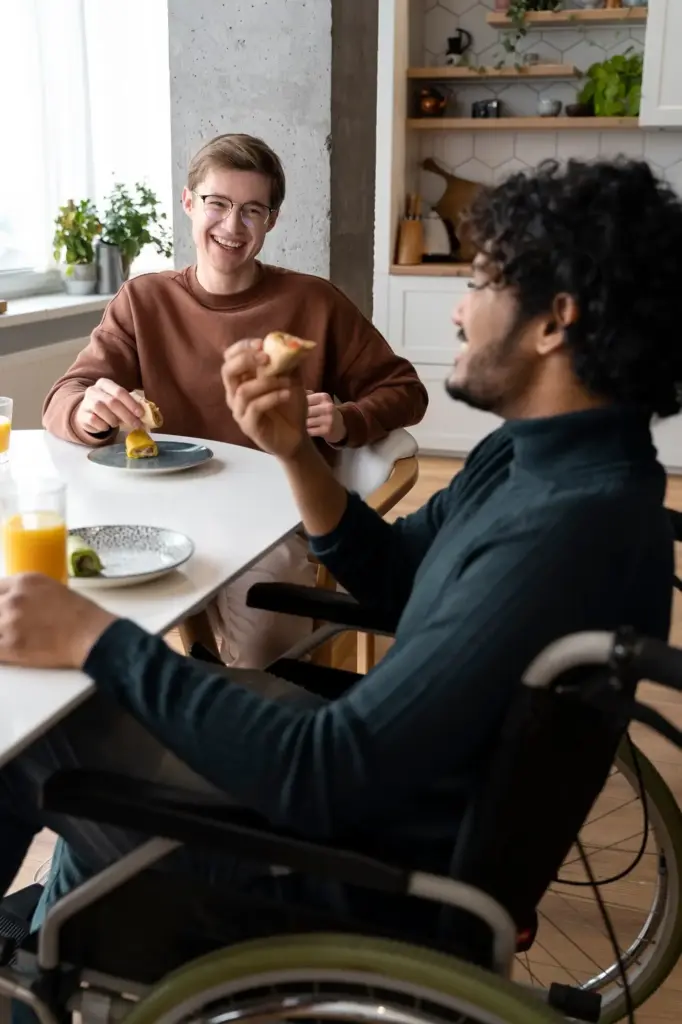
Offer variants for walking, jogging, and tempo efforts, with estimated times and surface descriptions. Include curb‑cut density, ramp availability, and grade information to support wheelchair users and strollers. Share quiet‑hour suggestions for sensory comfort. Provide downloadable cue sheets with large type and high contrast. Accessibility is not an afterthought—it widens your circle, invites new storytellers, and proves that open data can deliver genuinely open experiences for everyone.
Ethics: Consent, Privacy, and Licenses
Credit artists by name, link to official pages, and respect requests to remove or generalize locations for sensitive or ephemeral works. Follow ODbL, CC BY, and portal‑specific terms, recording sources and dates. Avoid embedding private imagery without permission. Blur identifying details when necessary. Transparency about methods and limitations builds trust, while clear licenses invite remixing. Your ethical compass should point toward generosity, consent, and long‑term cultural stewardship.
Exporting, Sharing, and Iterating
From GeoJSON to GPX to Your Watch
Inviting Feedback and Contributions
Versioning and Open Licenses for Community Use
A Real‑World Weekend Gallery Run
Morning Route: Sculptures by the River
Afternoon Mural Hunt Through Backstreets
Refinements After Runners Weighed In
All Rights Reserved.