Stride Through Streets Alive with Art

Lace up and discover Public Art Run Routes that weave murals, sculptures, and installations into energizing miles. We’ll show you how to plan visually rich circuits, move safely and inclusively, pace with purpose, and capture respectful stories along the way. Expect practical mapping tips, community ideas, and heartfelt anecdotes from runners who found sunrise color on brick walls and bronze silhouettes at dusk. Share your favorite pieces, subscribe for new routes, and help shape future city loops together.

Designing Routes That Tell a Visual Story
Great Public Art Run Routes feel like curated exhibitions in motion. Start by identifying clusters of murals or sculptures, then connect them with scenic, low‑stress streets, waterfronts, or greenways. Consider light, crowd patterns, and transit access. Build loops that invite exploration, offer safe crossings, and include optional shortcuts. Prioritize accessibility, restrooms, and refill points. Preview using street‑level imagery, but verify on foot, because fresh paint and rotating installations can transform a block overnight. Celebrate discovery while honoring neighborhoods and their histories.

Gear and Flow for Stop‑And‑Go Running

Art‑centric miles are joyfully uneven. Expect pauses, glances upward, and sidesteps for perspective. Choose adaptable layers, secure pockets, and camera‑friendly gloves. Embrace a run‑walk cadence that treats each artwork as a micro‑interval. Lock in comfort with blister prevention, sun protection, and a small, respectful trash bag for community care. Build a rhythm: jog, notice, pause, breathe, capture, credit, continue. The ritual becomes meditative, turning urban corners into galleries and your breath into a steady soundtrack between colors and forms.

Pocketable Essentials and Weather Layers

Carry a slim water flask, a compact wind shell, and a soft microfiber cloth for raindrops on lenses. Use a belt or vest to balance weight and keep hands free while evaluating sightlines. Pack sunscreen, a mini first‑aid strip, and a small bag for micro‑trash you find. Touch‑screen gloves preserve warmth without removing dexterity for photos. Choose reflective accents for dusk routes and a low‑profile cap to limit glare. Minimalist, thoughtful gear supports curiosity without weighing curiosity down.

Run‑Walk Cadence Designed Around Art Stops

Treat each artwork as a landmark interval: steady aerobic jogging between pieces, calm breathing and mindful observation on arrival. Pause watches or accept slower pace averages in exchange for better attention and safety. Use countdown breaths instead of rushed snapshots, noticing textures, artist signatures, and context clues. Restart with gentle strides, easing joints from stillness back to motion. This flowing cadence protects knees, sharpens focus, and makes every bright wall or bronze figure feel intentional rather than hurried.

Hydration, Fuel, and Quick Comfort Fixes

Long conversational runs near public art can stretch unexpectedly as curiosity expands. Plot fountains, cafes, and park restrooms into your map notes. Practice sipping during observation pauses to avoid sloshing. Carry simple fuel that won’t smear cameras. A tiny anti‑chafe stick handles humid muralside detours, while blister patches live in your phone wallet. For cold mornings, a buff doubles as lens shade. Small comforts prevent little irritations from overshadowing the joy of wandering colorfully and returning home glowing.

Chicago Loop: Picasso to Chagall in a Breezy 5K

Start near Daley Plaza to greet the untitled Picasso, then flow to Calder’s Flamingo, pause at Chagall’s Four Seasons, and continue toward Millennium Park’s Cloud Gate and Crown Fountain. Favor wide sidewalks and midday timing to balance crowds. Include detours for textured façades and mosaic subway entrances. Transit access eases meetups, while winter light creates dramatic steel shadows. Adapt the sequence by season, adding riverwalk segments when wind calms. Finish with reflective breaths among granite benches, letting architectural rhythms settle your stride.

London’s City Cluster: Sculpture in the City Lunch Run
Trace a compact loop through the Square Mile, curating current Sculpture in the City installations with historic stonework and glass canyons. Midday runs catch bustling energy; early mornings offer serene photos. Use pedestrianized lanes and well‑marked crossings, adding spurs toward St. Paul’s views. Expect rotating pieces each year, so keep a living map. Invite colleagues for a social jog that turns familiar commutes into surprise galleries. Pause to read plaques and respect business entrances, keeping the flow courteous and curious.

Photo Etiquette and Artist Attribution
Compose from sidewalks, never stepping into lanes for dramatic angles. Avoid blocking doorways or vendors while setting timers. Seek plaques, websites, or city registries for names and collaborators, then include links in captions. If a piece is intentionally ephemeral, emphasize its lived moment rather than encouraging crowds. Ask permission before photographing people near sensitive sites. When unsure about usage rights, share low‑resolution images and credit conservatively. Thoughtful etiquette sustains relationships between runners, artists, and neighbors who steward these vibrant, shared spaces.

Geotags, Communities, and Safety‑First Sharing
Geotag with intention. For fragile or residential works, consider broader city‑level tags rather than precise pins. Share route highlights while omitting private alleys or unsafe crossings. Invite dialogue in captions, encouraging locals to add historical details or corrections. Share emergency contacts, restroom notes, and accessibility observations. Use content warnings for memorials or solemn installations. Promote group runs that include consent around filming, offering opt‑out options. When safety leads, communities trust, and your gallery of miles becomes a genuinely welcoming invitation.

Route Files, Notes, and Repeatable Guides

Package GPX files, cue sheets, and printable maps with legible turn‑by‑turn notes. Annotate water sources, transit stations, and optional shortcuts for mixed paces. Include links to artist pages and commission histories. Offer seasonal variants for shade or holiday lighting. Share a simple checklist for leaders and a code of conduct for participants. Encourage readers to comment with updates when installations rotate. The result is a living guide others can follow confidently, honoring art while moving smoothly through the city’s human‑made museum.

Invite Local Artists and Curators to Co‑Lead
A rotating guest leader transforms a familiar route into a masterclass. Artists reveal process, materials, and neighborhood connections you might miss while breathing hard. Curators contextualize commissions and maintenance. Provide a simple speaking schedule with wide pauses for safe crossings. Keep groups small for conversation. Offer honoraria or cross‑promotion. Record short audio notes, with permission, to attach to map pins later. These collaborations deepen respect, spark new work, and make every mile feel grounded in shared stewardship.

Fundraisers, Cleanups, and Beautification Sprints
Link your route to tangible care: mural touch‑up fundraisers, planter refresh days, or litter pick sprints before photos. Coordinate with neighborhood associations and ask what would truly help. Provide gloves, bags, and clear safety rules. Keep expectations reasonable and celebrate incremental wins. Transparency matters—share totals raised, hours contributed, and future goals. When runners reciprocate with time and resources, trust rises, streets shine brighter, and art feels less like backdrop and more like a shared promise worth sustaining together.

Conversation Prompts for Post‑Run Meetups
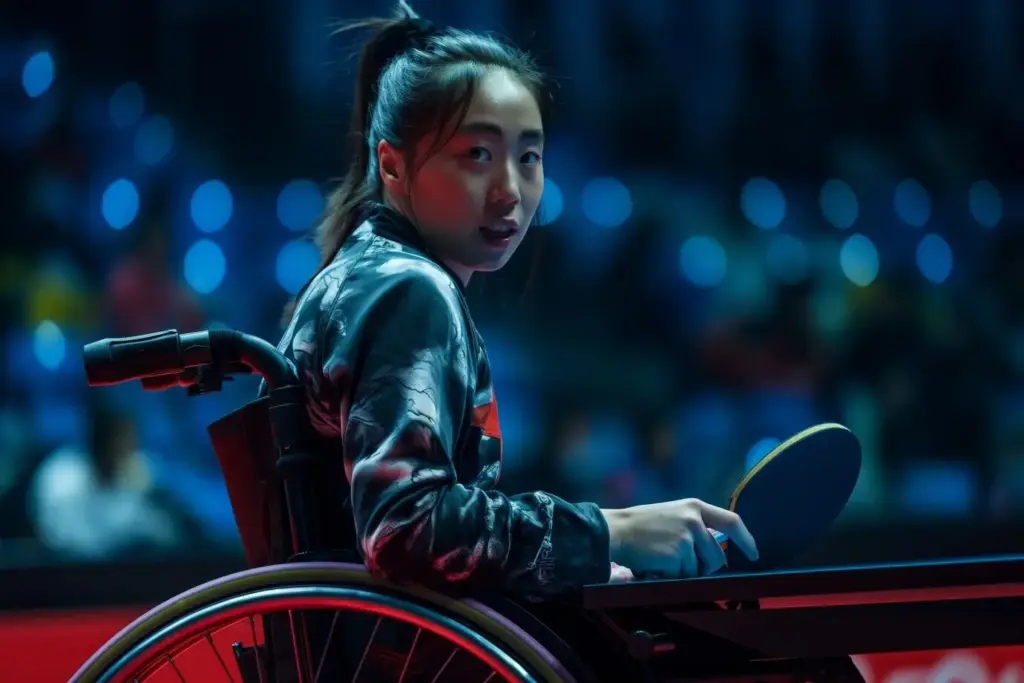
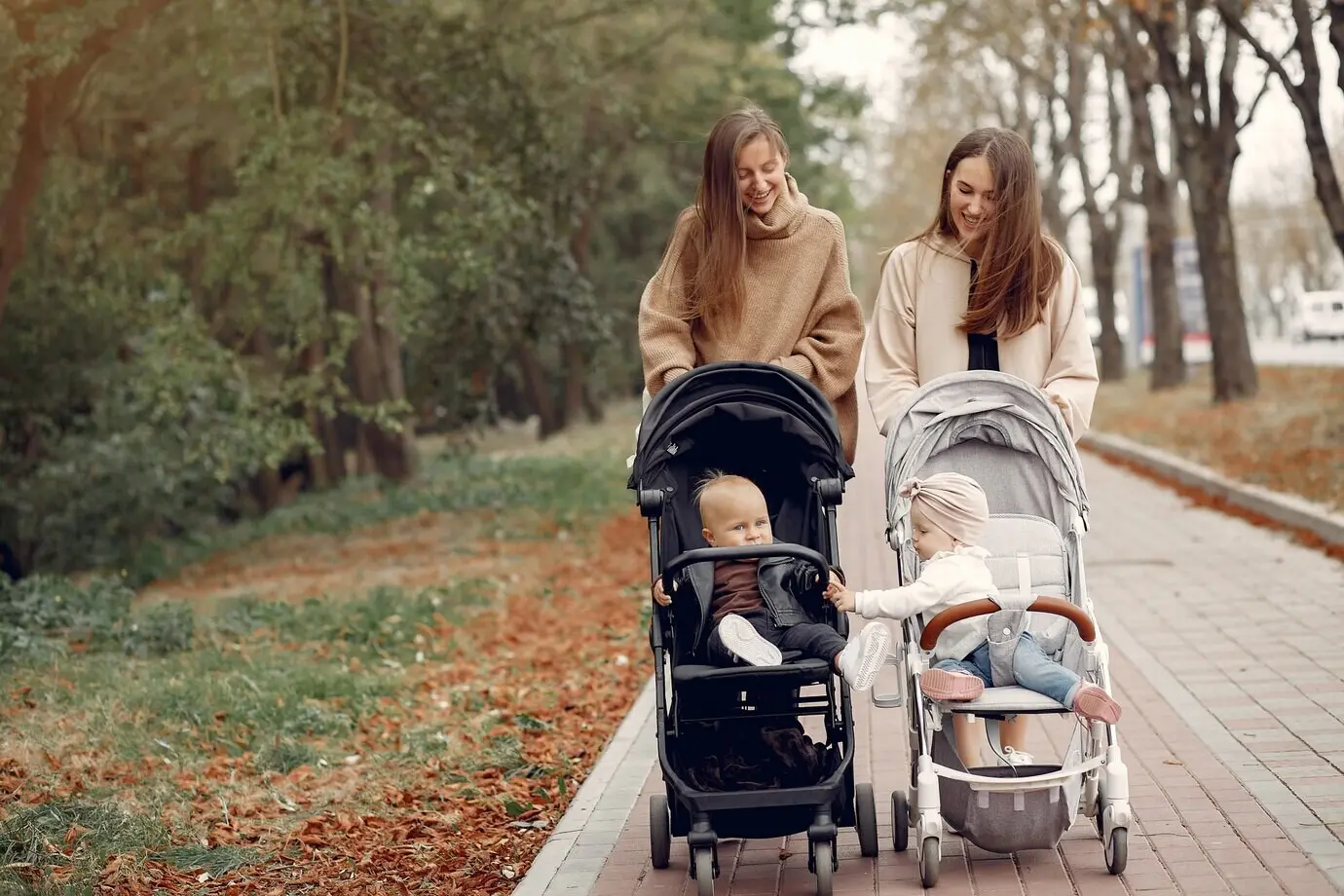
Guided questions create generous spaces: Which piece changed your breathing? What detail surprised you up close? How did the route feel for different paces? Invite notes on access, stroller navigation, and sensory considerations. Encourage sharing of artist credits and community histories. Collect route tweaks and vote on next variations. Capture highlights in a short newsletter and invite subscribers to propose future loops. Conversation turns sweaty smiles into ongoing collaboration, ensuring the gallery of streets keeps evolving with care.

Training That Feels Like Play

Art‑guided running can quietly build fitness. Route segments become intervals guided by curiosity rather than a watch’s beeps. Gentle accelerations carry you to sculpture plazas; easy recoveries unfurl along mural corridors. Incorporate strides, hill repeats, and form drills without losing the contemplative mood. Track progress through consistency, not perfection. Celebrate mental freshness and creative flow as much as splits. When training blends with wonder, motivation sticks, soreness softens, and your weekly plan becomes a series of joyful, sustainable explorations.

Safety, Accessibility, and Inclusive Planning
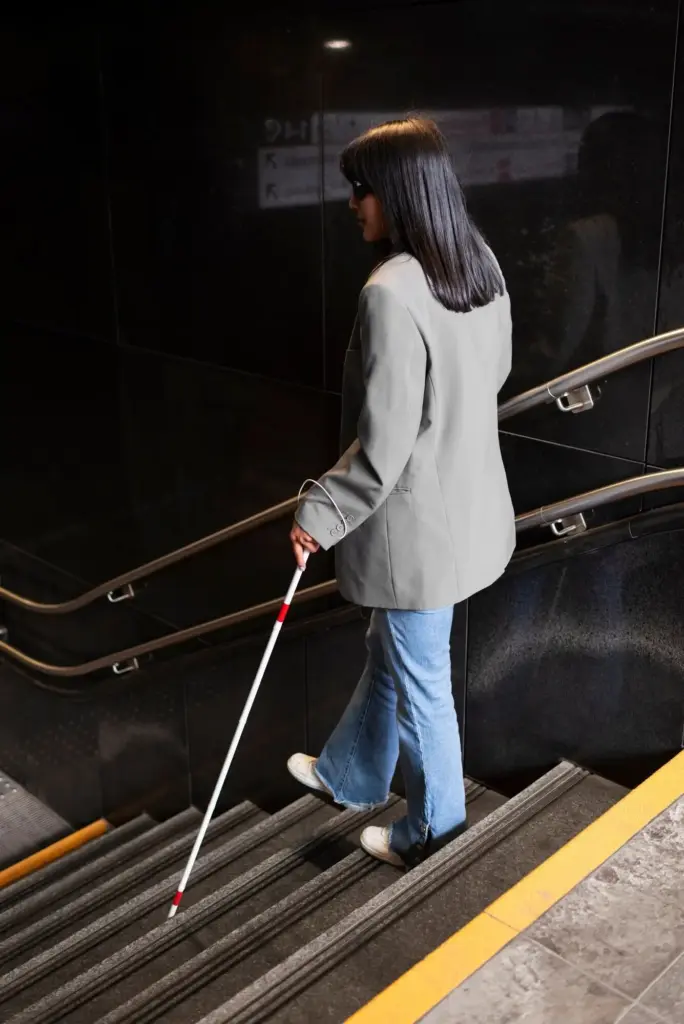
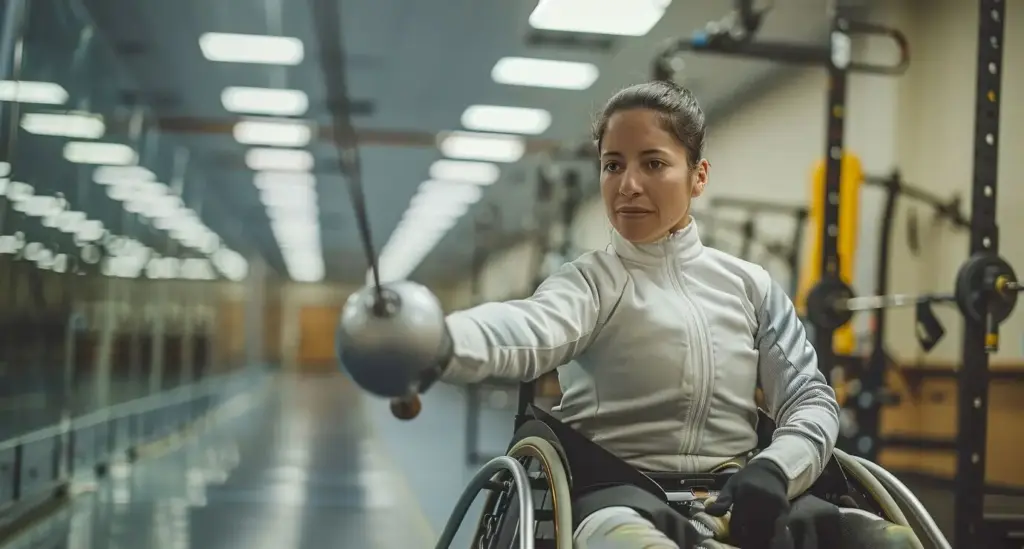
Routes shine when everyone feels welcome. Design with mobility aids, strollers, and varied senses in mind. Favor curb cuts, audible crossings, and wide approaches to works. Share clear expectations about terrain, distance, and rest points. Offer alternate start times for heat or crowd avoidance. Encourage buddy systems, reflective gear, and lights for low‑sun hours. Invite feedback from disability advocates, and credit their guidance. The result is a living pathway where art, movement, and belonging reinforce each other with every careful step.

Inclusive Design for All Paces and Bodies
Publish route surfaces, elevation, and potential bottlenecks. Provide shorter loops and opt‑outs near transit. Highlight benches and quiet zones for sensory breaks. Offer visual previews and text descriptions for key artworks. Welcome mobility devices and guide runners, ensuring widths and turning radii are adequate. Share language guidelines that honor identities and bodies without comparison. Inclusivity is not an add‑on; it is the foundation that turns a pleasant jog into a shared cultural experience where everyone can participate meaningfully.

Lighting, Crossings, and Night Options

Scout streetlamps, reflective sightlines, and lit plazas before suggesting dusk runs. Favor well‑marked crossings, pedestrian islands, and slower streets. Note construction zones that reroute walkers into traffic. Recommend headlamps and reflective vests, and discourage headphones covering both ears. If art illuminations activate after dark, schedule groups and assign sweep leaders. Offer a daylight alternative for those uncomfortable at night. Clarity about lighting prevents surprises and ensures the only things shimmering unexpectedly are mirrored installations, not avoidable safety risks.
Kumizanexiporipeta
Privacy Overview

This website uses cookies so that we can provide you with the best user experience possible. Cookie information is stored in your browser and performs functions such as recognising you when you return to our website and helping our team to understand which sections of the website you find most interesting and useful.