Run the City, See the Art
Designing Routes That Flow Past Murals and Sculptures
Smart Tools for Scouting
Pace, Stops, and Street Realities
A Sample Loop People Loved
Neighbors, Artists, and Permission with Heart
Safety, Inclusion, and Comfort for Every Body
Crew Roles That Keep Everyone Safe
Assign a lead who manages pacing and announcements, route captains who guide turns, and a sweeper who cheerfully stays with the last group. Designate one volunteer for first aid, another for crossings, and someone else for photos so runners can focus. Share maps and contacts in advance. Conduct a short huddle outlining signals, regroup points, and detour contingencies. Clear roles reduce stress, allowing participants to relax, notice art details, and form meaningful connections while feeling held by a calm, attentive, and competent support structure.
Accessibility Audits and Alternatives
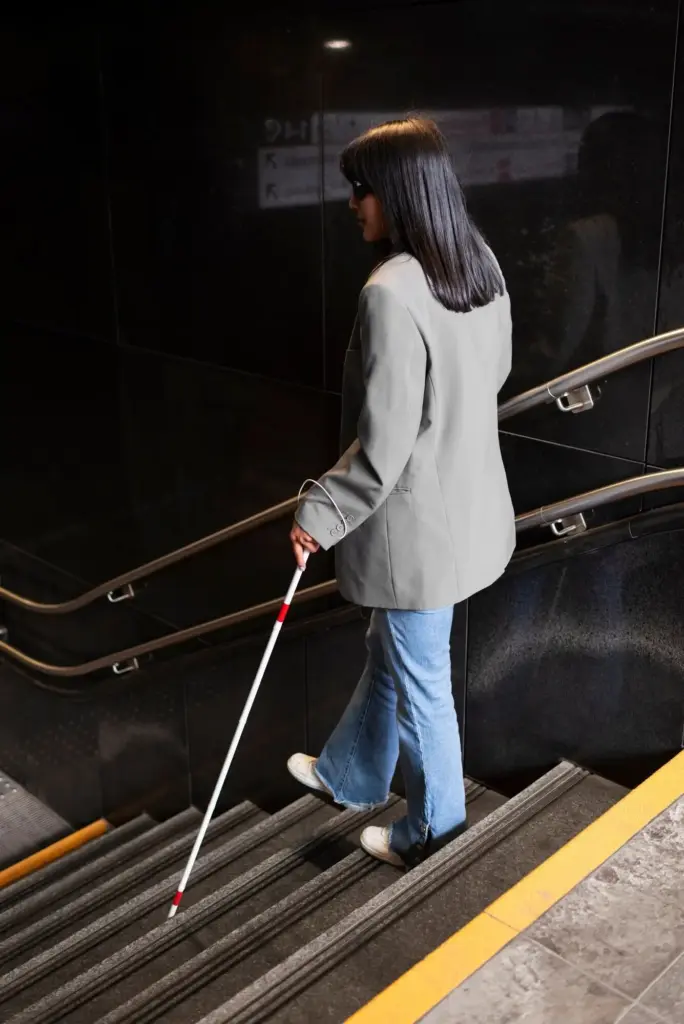
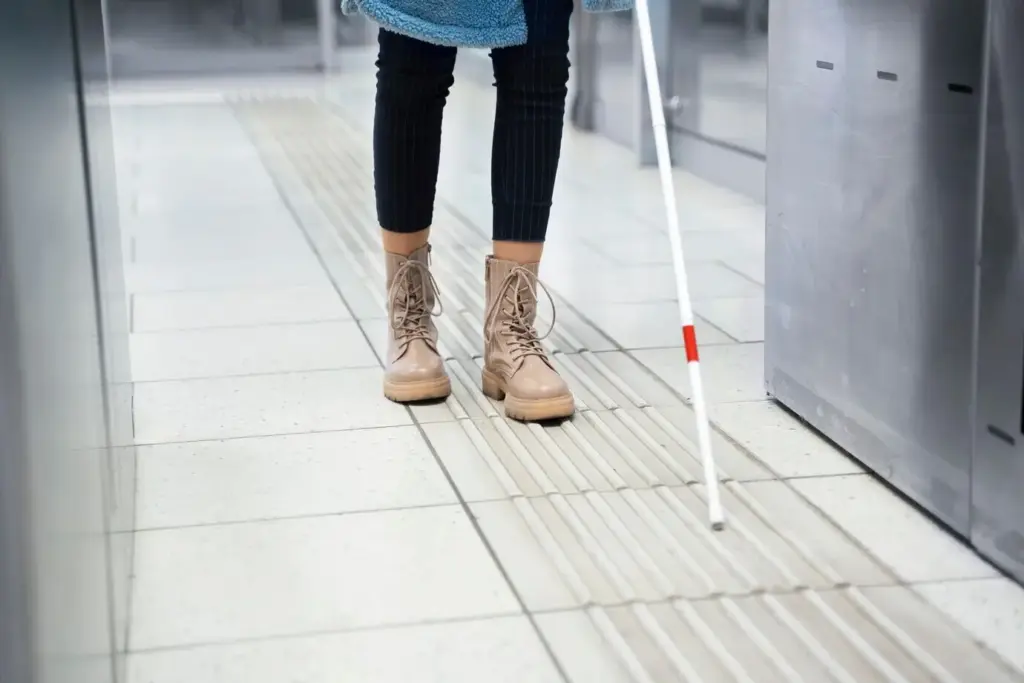
Before publicizing routes, roll or walk them with accessibility in mind. Note steep crowns, broken sidewalks, tight corners, and narrow curb cuts. Identify alternate viewing angles or additional stops reachable via smoother paths. Describe surfaces and gradients in event listings using straightforward language, not euphemisms. Offer a parallel stroll for those recovering from injury, and share transit options for shorter participation. Invite feedback from disabled runners and walkers, incorporate changes, and celebrate improvements. Accessibility is a creative practice that invites broader participation and deepens community trust.
Preparedness for Weather and What-Ifs
Publish a clear weather policy with decision timelines, rain dates, and indoor meetups if lightning threatens. Advise layers, lights, and sunscreen, and identify water access. Carry spare ponchos and space blankets for unexpected chills. Share the route GPX file in case groups stretch out, and establish a hotline number for assistance. If an emergency happens near an artwork, relocate immediately and regroup somewhere safer. Debrief afterward, refine protocols, and thank participants for flexibility. Preparedness protects people, art, and goodwill, ensuring confidence grows with every future run.
Stories on the Move: Making Art Come Alive
Micro-Lessons People Actually Enjoy
Before the run, prepare three sentence story starters for each stop: a personal hook, a detail about craft, and a question connecting the piece to daily life. Practice saying them calmly without notes. Invite a participant to read a line aloud. Encourage noticing the changing light, nearby sounds, and how people interact around the piece. Keep it under two minutes. These micro-lessons spark curiosity without slowing momentum, honoring runners’ breath while anchoring attention, joy, and thoughtful conversation beyond the final mile and lingering goodbyes.
Photo Etiquette and Privacy in Public
Before the run, prepare three sentence story starters for each stop: a personal hook, a detail about craft, and a question connecting the piece to daily life. Practice saying them calmly without notes. Invite a participant to read a line aloud. Encourage noticing the changing light, nearby sounds, and how people interact around the piece. Keep it under two minutes. These micro-lessons spark curiosity without slowing momentum, honoring runners’ breath while anchoring attention, joy, and thoughtful conversation beyond the final mile and lingering goodbyes.
Playful Prompts, Scavenger Hunts, and Reflection
Before the run, prepare three sentence story starters for each stop: a personal hook, a detail about craft, and a question connecting the piece to daily life. Practice saying them calmly without notes. Invite a participant to read a line aloud. Encourage noticing the changing light, nearby sounds, and how people interact around the piece. Keep it under two minutes. These micro-lessons spark curiosity without slowing momentum, honoring runners’ breath while anchoring attention, joy, and thoughtful conversation beyond the final mile and lingering goodbyes.
Measuring Impact and Sustaining Momentum
Surveys and Metrics That Matter
Focus on actionable insights. Ask participants whether they felt safe at crossings, understood instructions, and had enough time with each piece. Invite open comments on accessibility, family-friendliness, and photo policies. Track repeat attendance, first-timers, and referred friends. Encourage suggestions for overlooked artworks and neighborhoods. Commit to one improvement per event, then report back visibly. Metrics should illuminate care, not chase vanity counts. When people feel heard, they return with neighbors, energizing a cycle of feedback, refining practices, and broadening cultural connections across city blocks.
Funding, Partners, and Microgrants
Small budgets go far with creativity. Seek microgrants from arts councils, local foundations, and small businesses that value foot traffic. Offer co-branded maps, a short acknowledgment, and community impact summaries. Coordinate with museums, libraries, and schools for space or supplies. Consider a pay-what-you-can jar benefiting neighborhood arts programs or accessibility improvements. Keep finances transparent and lightweight. A little funding covers honoraria, reflective vests, postcards, and snacks, turning good intentions into consistent practice while honoring artists’ time and elevating community voices often overlooked elsewhere.
Volunteer Care, Recognition, and Growth
Volunteers are the heartbeat. Provide clear role guides, short trainings, and rotating responsibilities to prevent burnout. Celebrate wins with heartfelt shout-outs, small thank-you notes, or a monthly coffee. Pair new leaders with experienced captains, and invite students to learn event operations. Keep a shared folder of route maps, scripts, and checklists so knowledge lives beyond one person. Ask volunteers what energizes them, then tailor roles. Recognition fosters belonging, and belonging fuels longevity, ensuring the runs continue flourishing as welcoming, artful gatherings season after season.
All Rights Reserved.