Turn Every Run into a Gallery Tour

Today we dive into creating your own art‑focused running maps using open data, transforming ordinary miles into energizing cultural adventures. You’ll learn how to find public artworks, stitch them into safe, delightful routes, and publish interactive maps that credit artists, respect licenses, and invite community contributions. Bring curiosity, lace up your shoes, and prepare to explore streets as living museums while building tools anyone can remix, improve, and enjoy.

Sourcing the Art You’ll Run Past

Reliable, open sources are the heartbeat of a beautiful, runnable circuit of sculptures, murals, and installations. Start by combining multiple datasets so gaps in one are filled by another, then validate points that look suspicious. Prioritize sources with clear licenses, strong coordinates, and useful metadata like artist names, dates, materials, and links. With careful curation, your future route becomes more than waypoints; it becomes a narrative, stitched together by verifiable, reusable information.

Designing Routes That Feel Like Curated Walkthroughs

Great routes balance rhythm and revelation. Cluster nearby pieces so you move smoothly between highlights, then sprinkle in surprise detours that reward curiosity without bloating distance. Consider elevation, surfaces, and street crossings to keep momentum and safety intact. Use time‑of‑day planning to catch murals in flattering light, and design optional shortcuts or extensions for different energy levels. The goal is a route that breathes—focused yet flexible, informative yet playful.

Sequencing Stops for Flow and Surprise

Sort artworks by proximity but insert intentional pivots to break monotony, like shifting from a riverside sculpture to a hidden alley mural. Arrange small clusters into acts, each with a mood—bold color, quiet bronze, playful installations—so the journey tells a story. Leave space for pauses at complex pieces, and mark viewpoints where stepping back reveals context. Curated sequencing transforms scattered points into a memorable, moving narrative.

Choosing Distances, Grades, and Surfaces

Plan distance ranges for beginners, intermediates, and long‑run explorers, ensuring each option retains artistic density. Check grades to avoid exhausting climbs that overshadow the art, and prefer even surfaces for safer strides. Where cobblestones or gravel add character, provide alternatives. Note busy intersections and offer safer crossings. When weather shifts, propose rain‑friendly variants with fewer slippery tiles. Your map should meet runners where they are while inviting gentle challenge.

Loop, Lollipop, and Point‑to‑Point Patterns

Loops are convenient for meetups and logistics, returning to transit or a café for debriefs. Lollipops blend novelty with simplicity, offering a familiar stem and fresh loop. Point‑to‑point routes unlock longer galleries of art, ideal when transit lines connect start and finish. Offer printable and digital variants, with clear cues at decision points. Pattern choice shapes pacing, surprises, and social dynamics, so match route geometry to your audience’s preferences.

Building the Tech Stack
Choose tools that respect open data, scale to your ambitions, and invite collaboration. A lightweight web map, a robust routing engine, and simple data processing workflows will carry you far. Keep everything reproducible with scripts and documented steps, enabling others to replicate or extend your work. When possible, host your data openly, track versions, and automate exports. The right stack keeps you running more and fiddling less while your map continues improving.

Icons, Colors, and Layers that Speak Art

Assign distinctive icons—brushes for murals, plinths for sculptures, headphones for audio works—and use a restrained palette that remains legible under sunlight. Layer routes, artworks, and safety features separately, toggling visibility to match planning needs. Increase stroke contrast for color‑blind accessibility and consider pattern fills for redundancy. Subtle motion, like pulsing featured works, can guide attention without distraction. Let design complement the city’s voice rather than shouting over it.

Rich Popups with Credits and Context

Craft popups that surface the essentials first: title, artist, year, medium, and license. Follow with one or two lines of story—commission origin, community impact, or restoration notes—plus links to official pages for deeper reading. Include precise attribution and source acknowledgments. Keep text scannable for pre‑run planning but comprehensive enough for post‑run reflection. Thoughtful context transforms a quick glance into genuine appreciation and encourages responsible cultural exploration.

Safe Streets, Lighting, and Time‑of‑Day Choices

Evaluate street lighting through municipal datasets or field checks, and route away from dim underpasses at night. Mark public restrooms, water fountains, and transit nodes as support points. Note school zones, event schedules, and construction notices that alter predictability. Include weather alternatives, such as flood‑safe detours. Encourage buddy running for unfamiliar neighborhoods. Safety notes should be concise yet actionable, helping runners make informed choices without fear or guesswork.

Inclusive Design and Multiple Paces

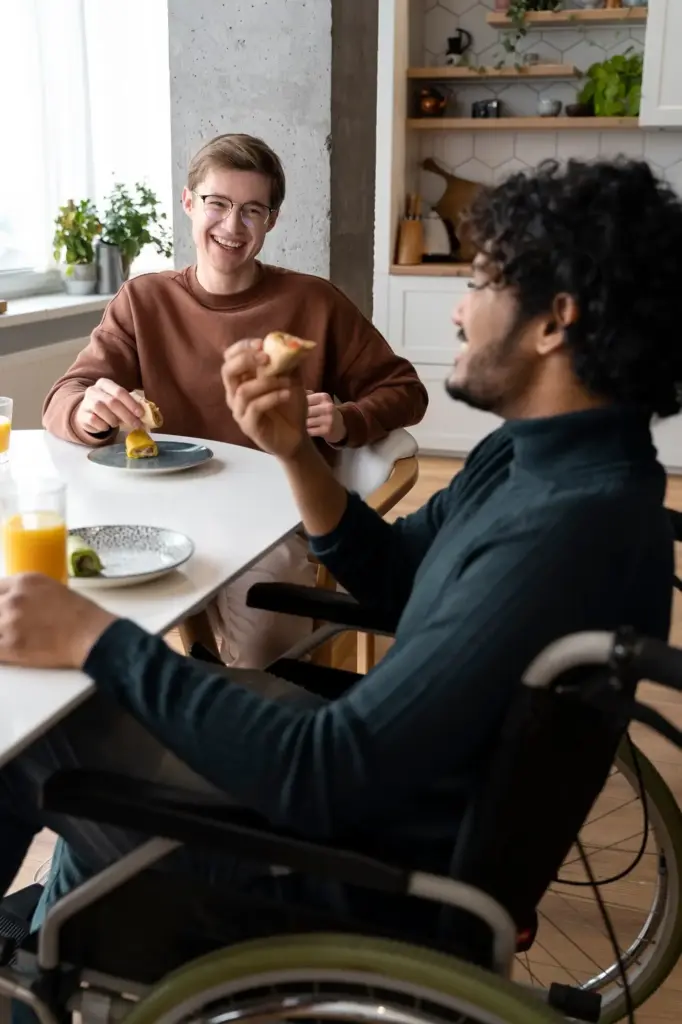
Offer variants for walking, jogging, and tempo efforts, with estimated times and surface descriptions. Include curb‑cut density, ramp availability, and grade information to support wheelchair users and strollers. Share quiet‑hour suggestions for sensory comfort. Provide downloadable cue sheets with large type and high contrast. Accessibility is not an afterthought—it widens your circle, invites new storytellers, and proves that open data can deliver genuinely open experiences for everyone.

Ethics: Consent, Privacy, and Licenses

Credit artists by name, link to official pages, and respect requests to remove or generalize locations for sensitive or ephemeral works. Follow ODbL, CC BY, and portal‑specific terms, recording sources and dates. Avoid embedding private imagery without permission. Blur identifying details when necessary. Transparency about methods and limitations builds trust, while clear licenses invite remixing. Your ethical compass should point toward generosity, consent, and long‑term cultural stewardship.

Exporting, Sharing, and Iterating

From GeoJSON to GPX to Your Watch

Offer exports in common formats, including GPX for turn‑by‑turn guidance and GeoJSON for map apps. Include waypoint names with artwork titles for at‑a‑glance cues on the wrist. Test files on multiple devices to confirm encoding, units, and symbol support. Provide brief instructions for offline downloads. Simple, reliable exports reduce friction, helping runners focus on discovery while your choices quietly handle the technical details behind the scenes.

Inviting Feedback and Contributions

Create a lightweight contribution guide explaining data sources, license considerations, and style conventions. Encourage photo updates, accessibility notes, and reports of removed or newly installed works. Host a public issue tracker so discussions remain transparent. Celebrate contributors with acknowledgments and release highlights. Feedback is not criticism; it is choreography, aligning many steps into a graceful route that belongs to the community as much as to its initiator.

Versioning and Open Licenses for Community Use

Use semantic versioning for routes and datasets, and keep CHANGELOG files to document updates. Publish under compatible open licenses, clarifying attribution requirements and share‑alike expectations. Separate third‑party content with distinct terms. Tag stable releases for events or club runs. Clear licensing and versioning empower educators, developers, and fellow runners to adapt your work confidently, accelerating improvements while protecting creators and honoring the open commons you build upon.

A Real‑World Weekend Gallery Run

Last spring, a small running group stitched together a riverside loop that threaded sculptures, mosaics, and a kinetic installation. Starting with open datasets, they validated pieces on foot, then published variations for families and tempo days. Runners reported new murals, corrected one misplaced statue, and requested dusk lighting notes. Within weeks, the route evolved into a community ritual—part training, part neighborhood celebration—proving how open data can animate shared culture.

Morning Route: Sculptures by the River

The group began beneath a steel arc that frames sunrise, moving through a sequence of stone figures each telling immigrant histories. They adjusted pacing to linger at plaques, then added a detour to a hidden mosaic under a bridge. GPX waypoints carried short stories, encouraging breathers without breaking rhythm. Post‑run, contributors fixed two coordinates and suggested adding winter alternatives when boardwalk frost complicates footing.

Afternoon Mural Hunt Through Backstreets

Later, they traced alleys stitched with color—portraits of local poets, abstract waves on garage doors, a community wall commemorating gardeners. The route avoided blind corners and added cues for crosswalk timing. Popups credited artists and linked interviews recorded by a neighborhood radio project. Afterward, residents shared new works appearing weekly, and the map grew modular, letting runners swap segments like playful tiles while staying within comfortable distances.

Refinements After Runners Weighed In

Feedback surfaced micro‑barriers: uneven bricks, a steep curb, a confusing fork near a warehouse gallery. Maintainers added tactile warnings to notes, marked alternate ramps, and clarified cues. A colorblind runner recommended higher‑contrast icons that now benefit all. A parent asked for stroller‑friendly loops; a coach requested stride‑friendly surfaces for intervals. Each iteration made the map kinder, smarter, and more welcoming—proof that community insight polishes both art and asphalt.
Kumizanexiporipeta
Privacy Overview

This website uses cookies so that we can provide you with the best user experience possible. Cookie information is stored in your browser and performs functions such as recognising you when you return to our website and helping our team to understand which sections of the website you find most interesting and useful.